Hendi Sieves
Hendi Sieves. Hendi catalogue from SIA La RONDE
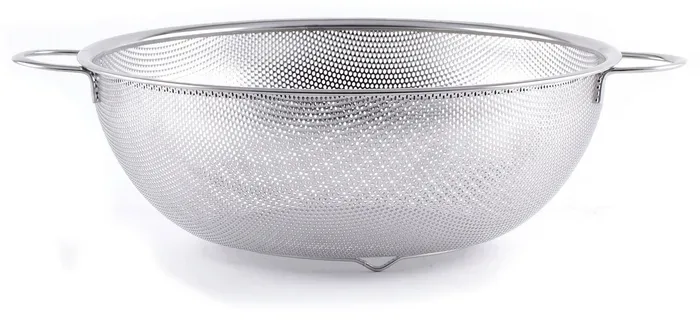
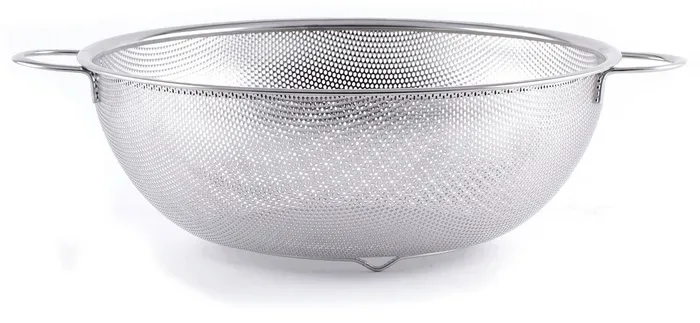
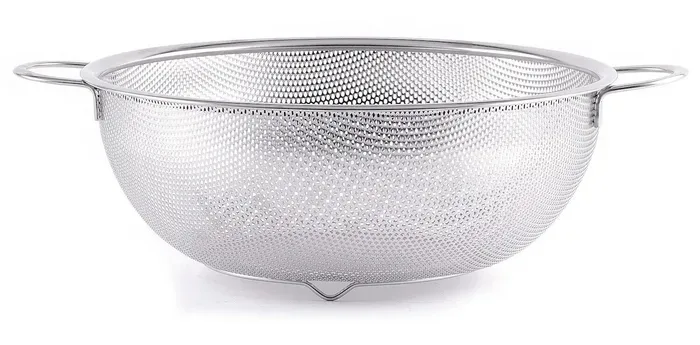
Sieves are everyday preparation tools for draining ingredients and sifting dry components before mixing. SIA La RONDE offers stainless steel models in several working sizes, with handles and a base for positioning at the bench. The choice is practical: match the opening to the batch, consider where the sieve will rest during use, and account for the space needed to put it away. These factors help kitchen teams select equipment for recurring preparation rather than treating every task as the same.
Equipment and tasks
In a professional kitchen, a sieve may be used to separate ingredients from liquid or pass dry ingredients through a mesh. A broader opening can take a larger quantity at once, which is useful when draining or sifting substantial batches. The range includes diameters of 225 mm, 285 mm and 315 mm, allowing teams to choose a size suited to the amount being handled and the working area available.
A compact sieve can be convenient for smaller quantities and when bench space is limited. A mid-sized option offers an alternative between that compact format and the widest opening. Selecting by task can also help organise preparation: teams can keep a suitable size to hand for recurring work instead of dividing every batch in the same way. For draining, the base provides support when the utensil is set down; the handles give staff points to hold and lift it as ingredients are moved.
Parameters in use
Stainless steel is a durable, readily cleaned material suited to repeated kitchen use. These sieves can also be washed in a dishwasher, making them suitable for routine machine cleaning after preparation. That cleaning route helps the utensil return to the kitchen’s normal equipment cycle between tasks.
The two handles and base serve different parts of the working routine: hold or lift the sieve by its handles, then rest it on a surface with the base supporting it. This is useful when draining ingredients or pausing during sifting. The mid-sized model has overall dimensions of 355 × 285 × 100 mm, helping staff judge its footprint when choosing a position at the bench or planning where it will be stored. Its weight of 0.350 kg supports lifting and repositioning by hand during preparation.
Choosing a product
Begin with the quantity and the space available for the task. The broadest opening in the range is suited to larger batches, while the compact diameter can be preferable for smaller amounts or a tighter work area. The remaining size offers a middle option. Consider how the sieve will be positioned over a receptacle, where it can rest while draining, and how it will be handled once the task is complete.
For kitchens processing larger quantities, a wider opening can reduce the need to split work into portions. For smaller preparation jobs, a compact model can be easier to position and store. The overall dimensions of the mid-sized sieve help when assessing its place in a cupboard or on a work surface. Since the models share stainless steel construction, handles, a base and dishwasher cleaning, the decision can focus on working size and the demands of the preparation routine. Matching those practical requirements helps keep draining and sifting straightforward at the bench.