Hendi Food Containers
Hendi Food Containers. Hendi catalogue from SIA La RONDE
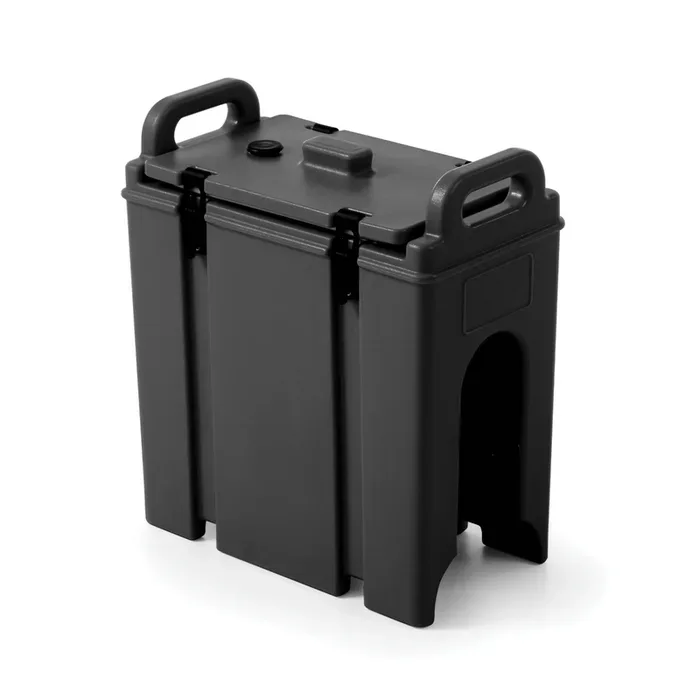 Insulated beverage container with tap Hendi 877876 877876 Dimensions 230 × 420 × 620 mmCapacity 18 LMaterial Polyethylene €222.64incl. 21 % VAT€184.00 excl. VAT
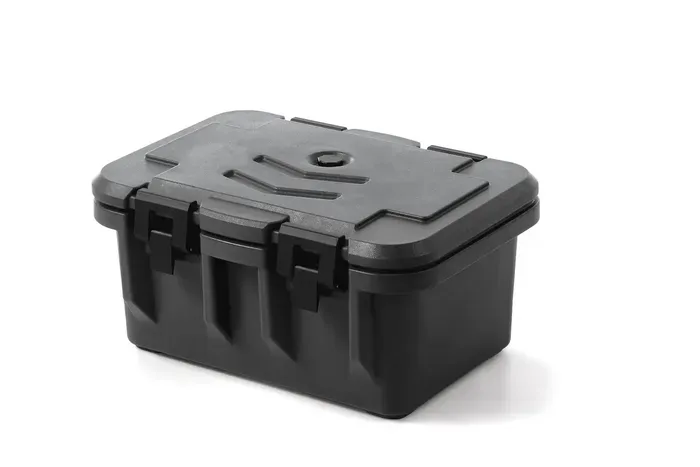 GN insulated food transport container Hendi 877852 877852 Dimensions 630 × 460 × 305 mm €222.64incl. 21 % VAT€184.00 excl. VAT
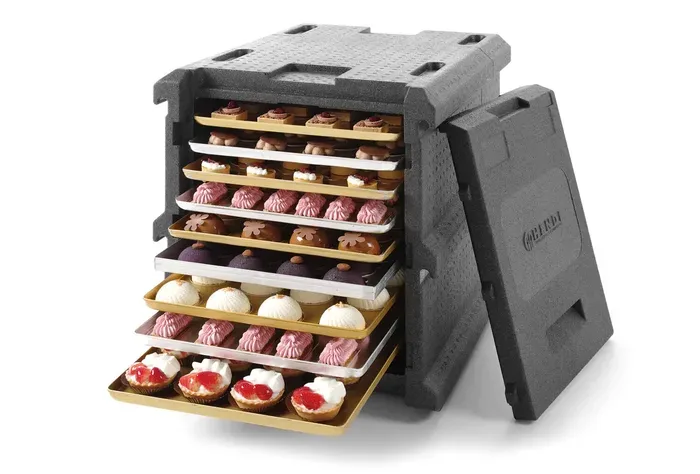 Insulated food box Hendi 707685 707685 Dimensions 540 × 700 × 640 mmCapacity 128 L €422.29incl. 21 % VAT€349.00 excl. VAT
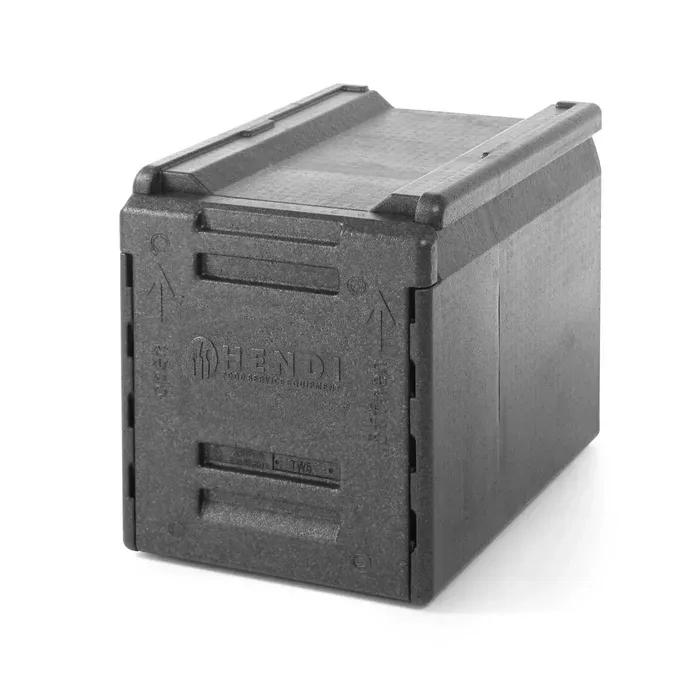 GN insulated food transport container Hendi 707661 707661 Dimensions 490 mmCapacity 66 L €141.57incl. 21 % VAT€117.00 excl. VAT
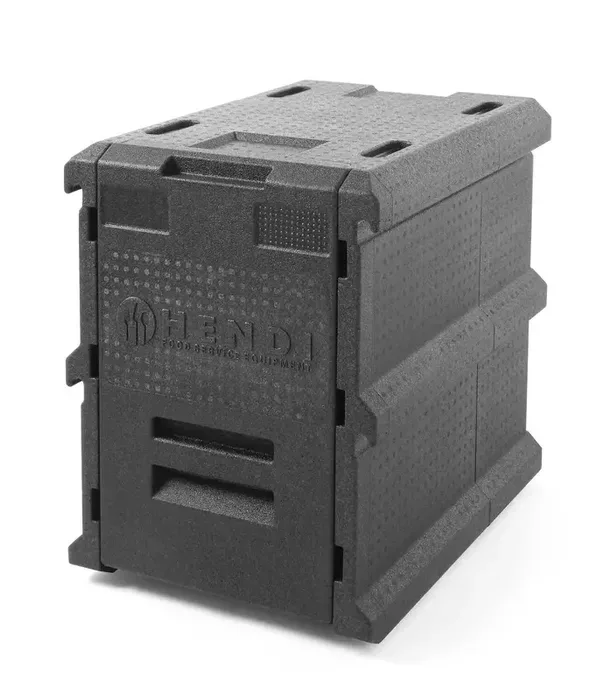 GN insulated food transport container Hendi 707999 707999 Dimensions 490 mmCapacity 66 L €254.10incl. 21 % VAT€210.00 excl. VAT
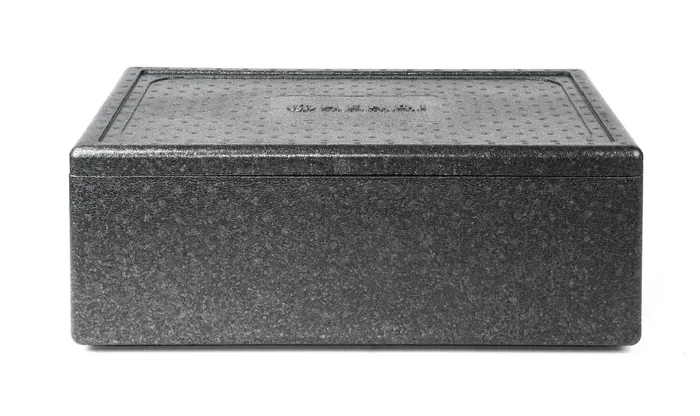 Insulated food box Hendi 707906 707906 Dimensions 285 mmCapacity 40 L €33.88incl. 21 % VAT€28.00 excl. VAT
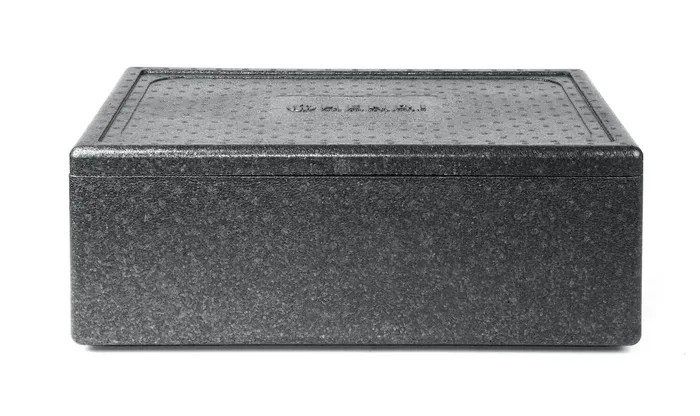 Insulated food box Hendi 707944 707944 Dimensions 360 mmCapacity 80 L €67.76incl. 21 % VAT€56.00 excl. VAT
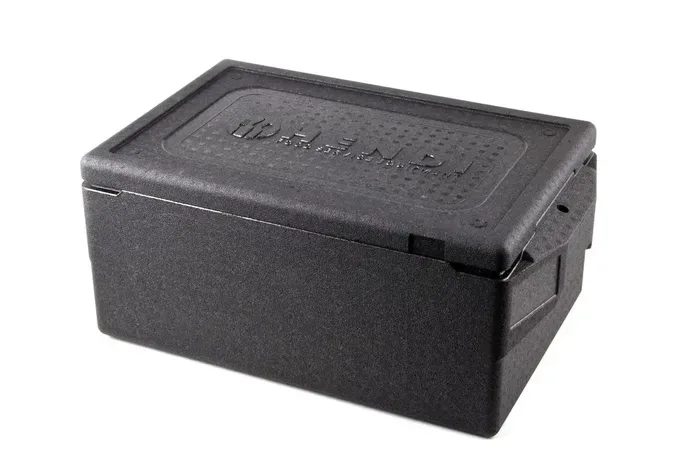 Insulated food box Hendi 707982 707982 Dimensions 287 mmCapacity 39 L €112.53incl. 21 % VAT€93.00 excl. VAT
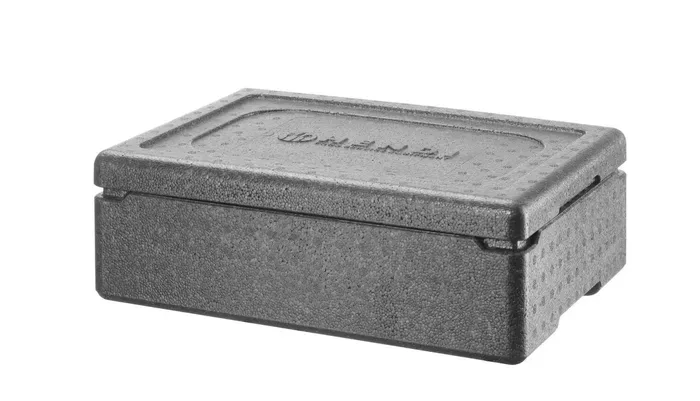 Insulated food box Hendi 707043 707043 Dimensions 160 mmCapacity 9 L €22.39incl. 21 % VAT€18.50 excl. VAT
Food containers support practical kitchen work, from transporting prepared pans to holding insulated food and dispensing drinks. SIA La RONDE’s range includes GN transport containers, insulated boxes, a heated food container and a tap-equipped drinks vessel. The right choice depends on what the team is moving, how it will be served and how the container will be handled between preparation and service.
Equipment and tasks
GN transport containers help carry prepared food in an organised load. Pressed internal guides position containers and reduce movement during transport. The insulated model’s double-wall LDPE construction helps retain the temperature of hot or cold food, while its polyethylene body is suited to regular handling and easy care. This format is useful when prepared pans need to travel together between kitchen and service.
The electrically heated food container supports hot-food service where temperature consistency matters to quality. Insulated boxes offer a different approach to moving food: the compact model has inner-side recesses to help place and remove containers, while its single-piece construction avoids seams where dirt can collect. For drinks service, the insulated vessel with tap allows staff to dispense directly from the container instead of transferring liquid to another jug.
Parameters in use
The GN container’s internal dimensions are 335x533x(H) 590 mm, helping staff check pan fit before loading. Its capacity varies with pan depth: it holds 12 GN pans at 10 mm depth, or fewer as pans get deeper, down to 2 at 200 mm. Planning around pan depth helps match the load to shallow portions or deeper batches. GN pans are not included, so teams should plan the container alongside the pans they use.
The drinks vessel holds 9.4L, giving staff a practical basis for judging whether it suits a service batch. Its tap sits 95 mm above the floor, leaving room for a cup or glass beneath the outlet. Guides in the rounded inner chamber direct liquid towards the tap for even dispensing. The 46L insulated box has a temperature range from –20 °C to +110 °C, allowing it to carry frozen food or hot dishes within those limits.
Choosing a product
Begin with the food and the way it is prepared. Choose a GN transport container for food packed in pans, checking internal space and pan depth against the intended load. The heated container suits hot-food transport where maintaining temperature is important. For other insulated loads, consider whether the 46L box’s temperature range matches the task; the 39L box has an easy-to-clean, odour-resistant inner coating for routine cleaning between uses.
Handling and service needs can narrow the choice further. The 39L box stacks with or without its lid, helping organise storage and transport space. The 9L box is suitable for dishwasher cleaning up to +80 °C, while its inner recesses help staff place and remove containers. Choose the tap-equipped vessel when drinks need direct dispensing, and compare its capacity with the planned batch. These distinctions help teams select equipment for the actual contents and workflow.