Hendi Fuel Station Grills
Hendi Fuel Station Grills. Hendi catalogue from SIA La RONDE
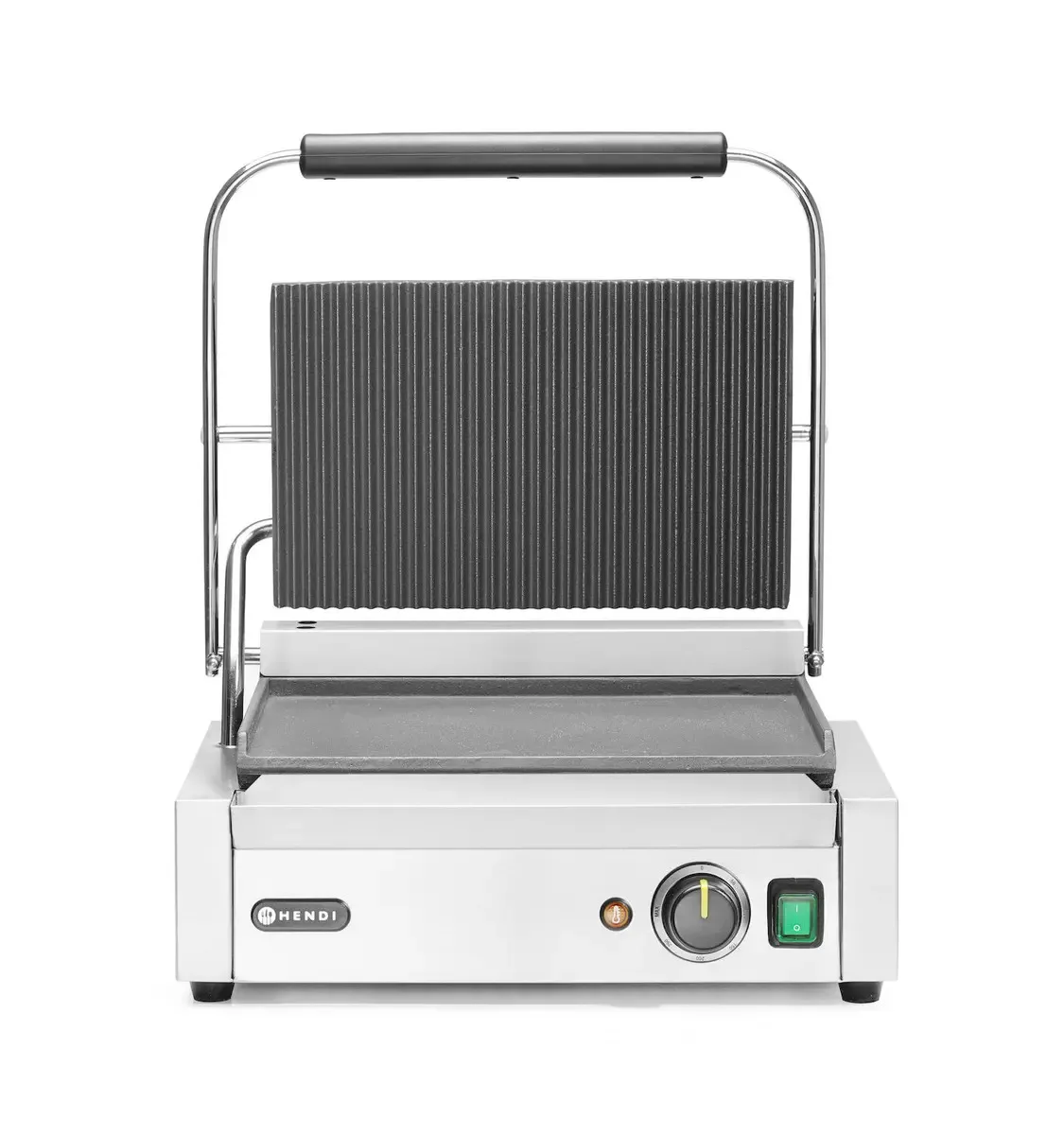 Panini grill Hendi 263662 263662 Power 2.2 kWVoltage 230 VTemperature 50–300 °C €264.99incl. 21 % VAT€219.00 excl. VAT
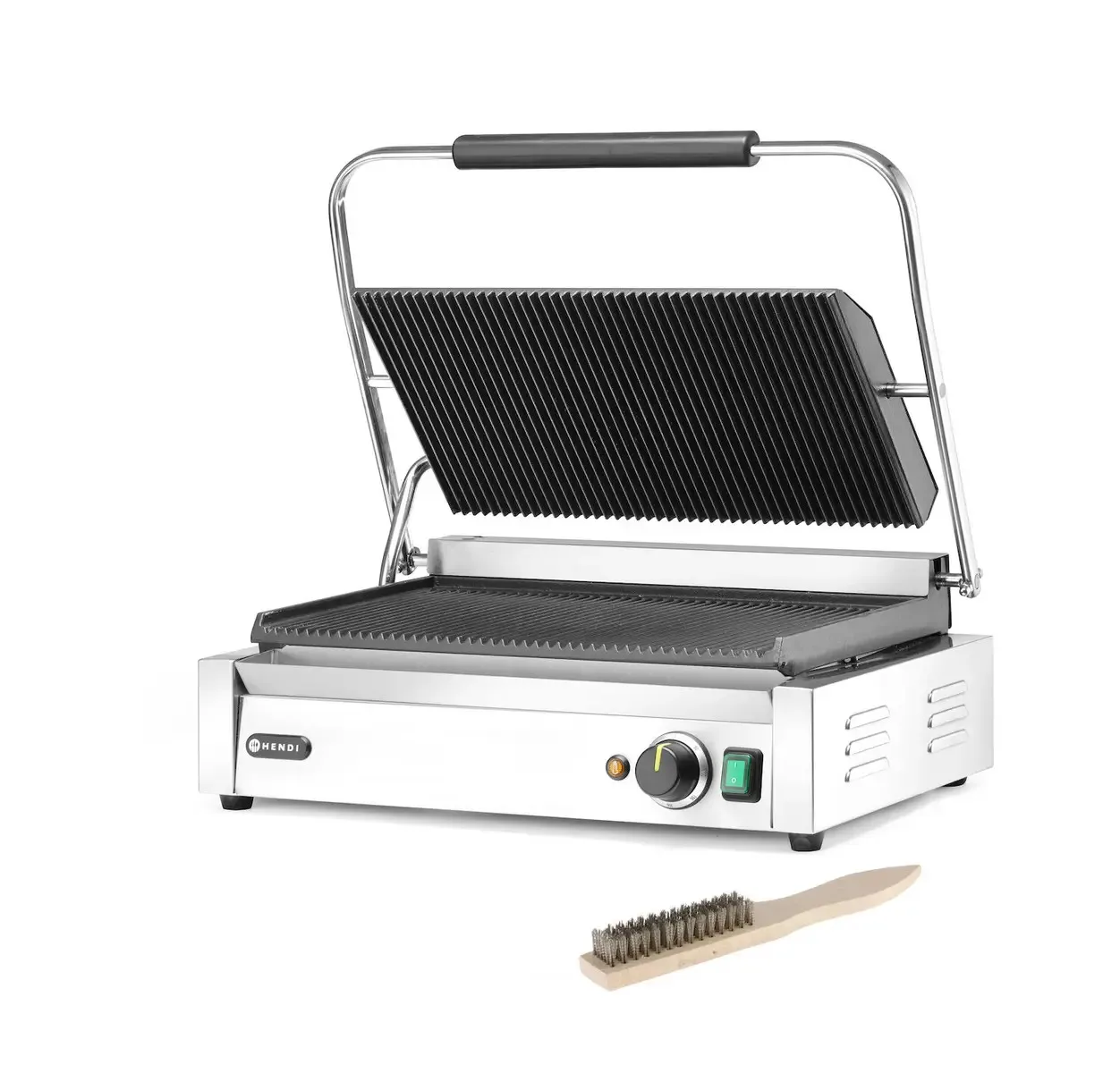 Panini grill Hendi 263624 263624 Power 2.7 kWVoltage 230 VTemperature 50–300 °C €445.28incl. 21 % VAT€368.00 excl. VAT
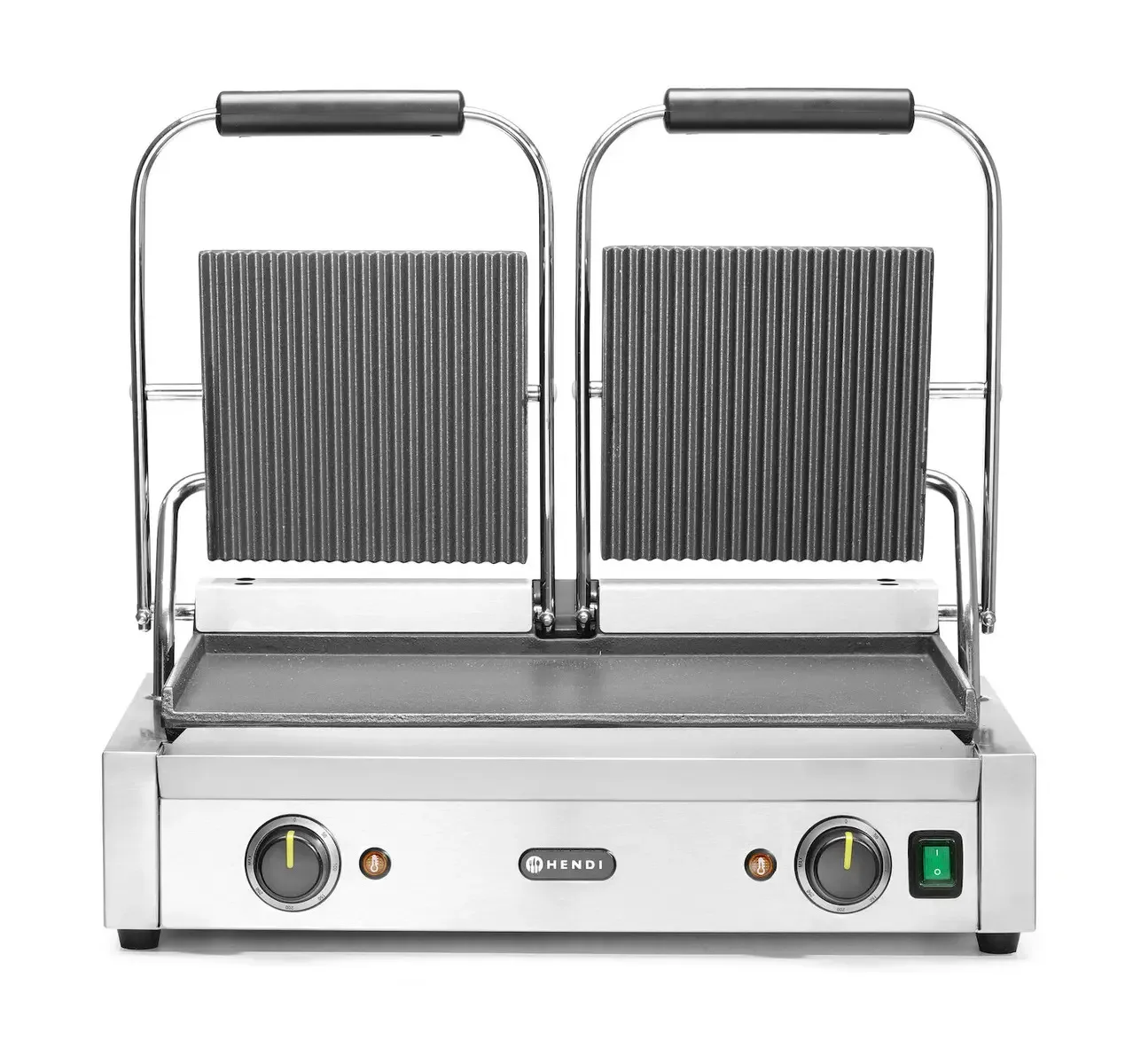 Double contact grill Hendi 263808 263808 Power 3.6 kWVoltage 230 VTemperature 50–300 °C €379.94incl. 21 % VAT€314.00 excl. VAT
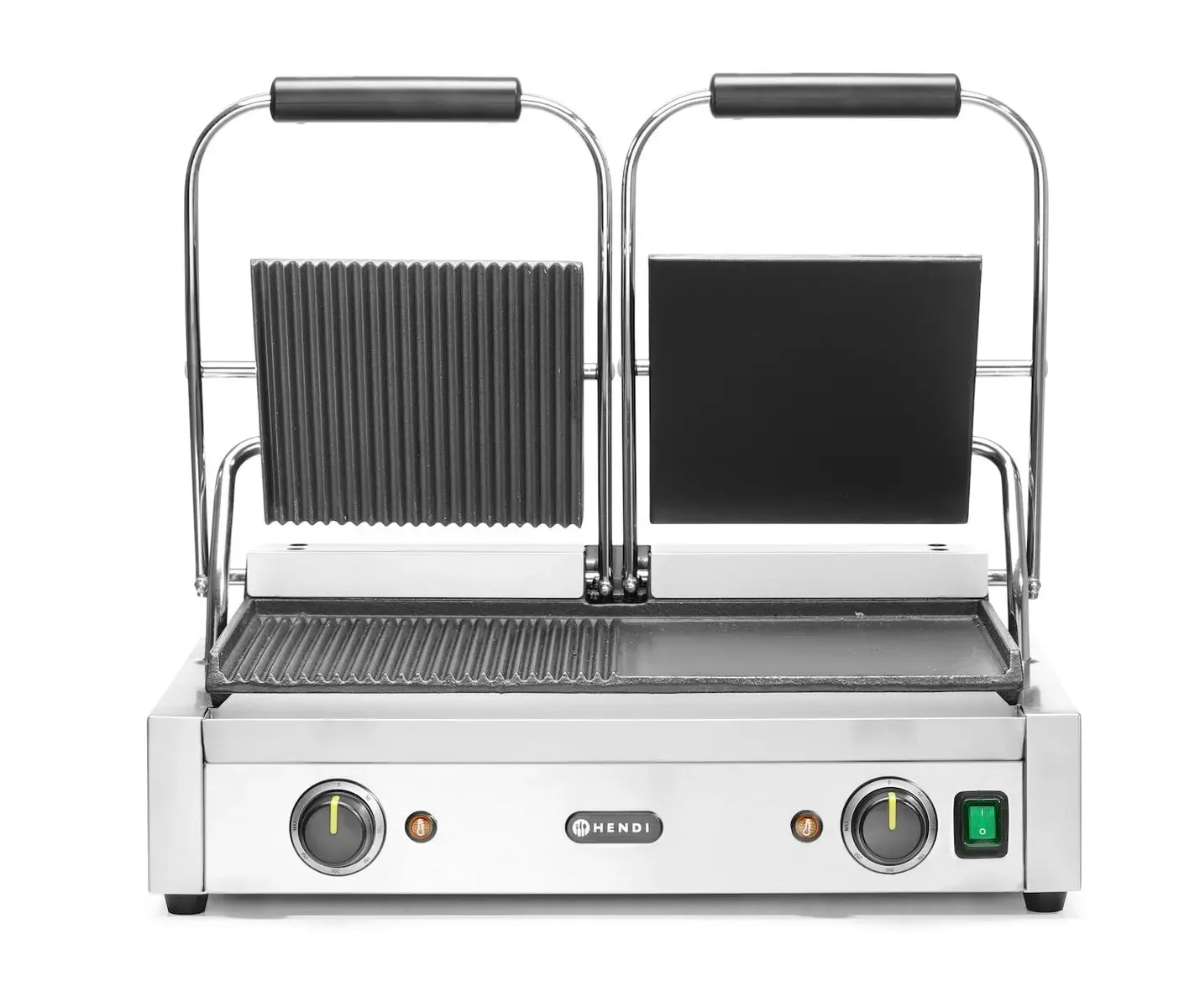 Double contact grill Hendi 263907 263907 Power 3.6 kWVoltage 230 VTemperature 50–300 °C €379.94incl. 21 % VAT€314.00 excl. VAT
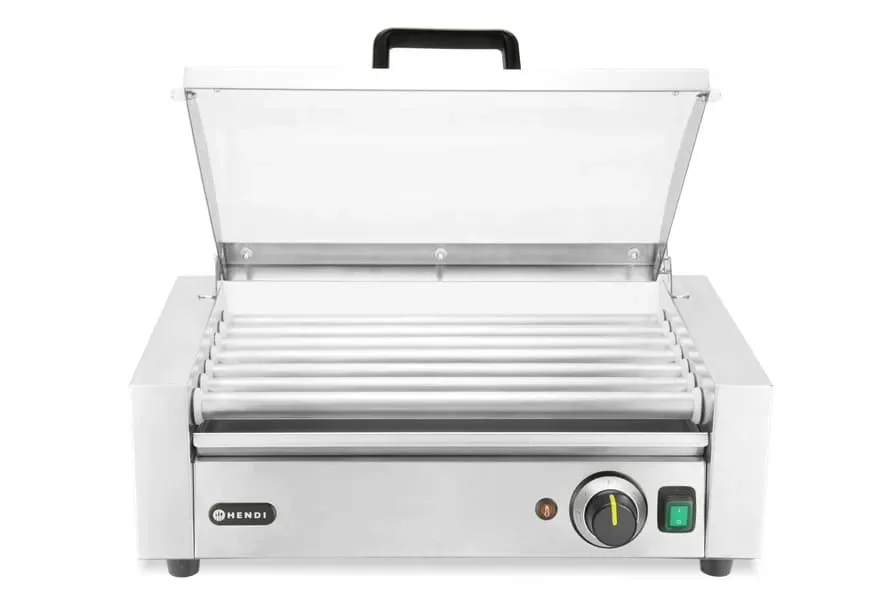 Hot dog roller grill Hendi 268636 268636 Power 0.62 kWTemperature 230 °CDimensions 566 × 375 × 259 mm €173.03incl. 21 % VAT€143.00 excl. VAT
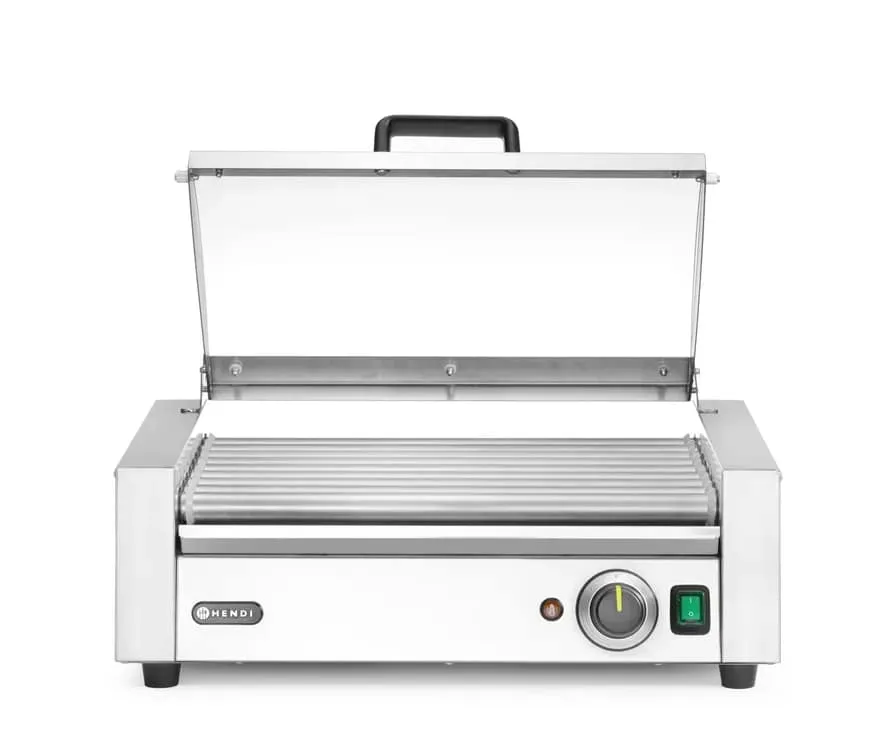 Hot dog roller grill Hendi 268643 268643 Power 0.79 kWTemperature 230 °CDimensions 566 × 450 × 259 mm €375.10incl. 21 % VAT€310.00 excl. VAT
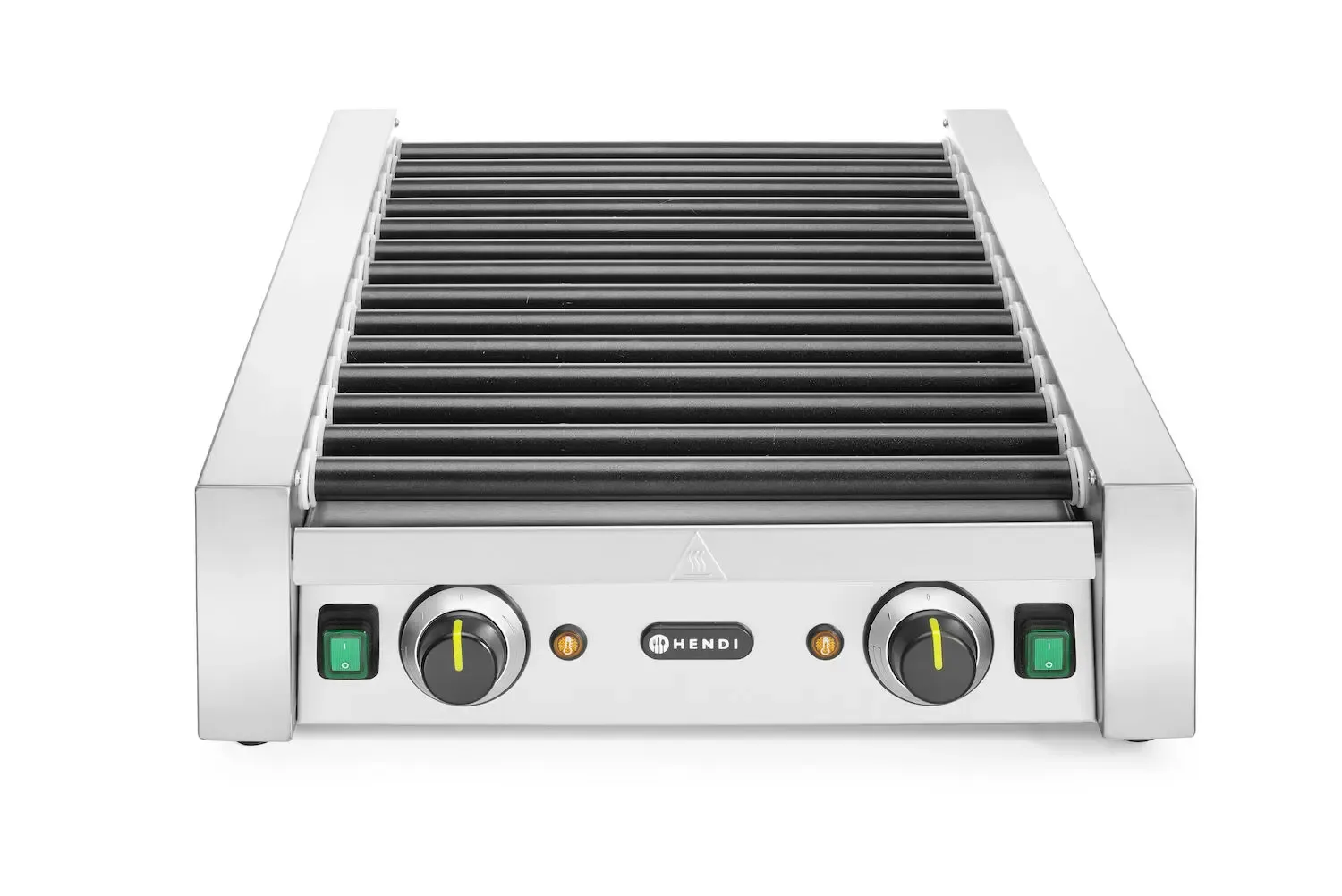 Hot dog roller grill Hendi 268735 268735 Power 1.48 kWTemperature 150 °CDimensions 520 × 650 × 176 mm €214.17incl. 21 % VAT€177.00 excl. VAT
Fuel station food service calls for equipment that prepares familiar hot items in a clear, repeatable workflow. SIA La RONDE’s fuel station grill range includes contact grills for sandwiches, bread, meat and vegetables, alongside roller grills for hot dogs. The right type depends on whether food needs pressing between plates or heating on turning rollers, and on how staff will organise preparation and serving at the counter.
Equipment and tasks
Contact grills cook food between a lower plate and a raised upper plate, making them suitable for panini, bread, meat portions, sausages and vegetables. Staff can lift the top plate by its heat-resistant handle to load or remove items. The compact Panini model has a cooking surface divided between ribbed and smooth areas, so one side can give food a marked finish while the other remains smooth.
The Panini XL offers a 450 × 270 mm cooking surface for arranging larger panini. For varied contact-grill work, double models provide a different layout: one has two independently adjustable thermostats, while another pairs a smooth right-hand plate with a left-hand plate split between ribbed and smooth areas. Roller grills serve hot dogs without pressing them flat; rotating rollers keep products moving across the heated surface for counter service.
Parameters in use
Plate dimensions help staff judge how food can be positioned and how a batch can be arranged for cooking. Enamelled cast-iron contact surfaces retain heat and provide a durable cooking face; their smooth or ribbed areas support different finishes. Contact-grill thermostats adjust continuously from 50°C to 300°C, giving operators control for warming and grilling. High-power heating elements bring the plates up to temperature quickly, helping the station get ready for service.
Single-zone roller grills offer temperature control up to 230°C, while the two-zone model adjusts up to 150°C. Its separate heating zones help staff organise products into distinct groups. A tempered-glass cover helps reduce heat loss during operation. Removable trays collect drips or crumbs and can be taken out for cleaning. On contact grills, raised edges on the lower plate help contain food and residue, while the removable drip tray supports clean-up.
Choosing a product
Choose a contact grill when food needs heat and pressure from both sides. Compare its cooking area with the items being prepared: the compact Panini model suits a smaller working area, while the XL plate gives staff more room for larger sandwiches. A double grill can suit mixed preparation where separate temperature settings or different plate finishes help organise cooking. Consider which surface will be most useful for the menu and the pace of service.
Choose a roller grill for hot-dog service where products need to remain on rollers rather than between plates. A single-zone model provides one heated area; a two-zone grill lets staff organise work across separate sections. Roller length helps with arranging products along the grill, while the removable tray makes residue easier to clear. For either grill type, accessible controls, visible heating indicators and straightforward plate or tray cleaning support a practical service routine.